

Living room decor ideas: modern and stylish inspiration
Create a warm and stylish living room with our selection of sofas, coffee tables, and décor.


Living Room Furniture: Buying Guide and 2025 Trend Styles
The living room is the beating heart of the home, a haven of relaxation and conviviality that deserves a careful selection of furniture to reflect your personal elegance.
Choosing Living Room Furniture
To create a harmonious living room, several key criteria guide your decision. The dimensions of your furniture are crucial to maintaining spatial balance. Choose a sectional sofa for larger rooms, or a compact model for more intimate spaces. Materials influence both aesthetics and practicality. Fabric offers a cozy warmth, though it requires attentive care, while leather brings timeless sophistication with remarkable ease of use. Comfort remains paramount—take time to test a sofa to assess its support and feel.
Living Room Décor Styles
Trends for 2025 highlight two main style families. The Scandinavian style, prized for its bright simplicity, is characterized by minimalist lines, neutral tones like white, light gray, or beige, and the thoughtful use of light wood. This style enhances natural light and creates serenity, especially suited to smaller spaces. The industrial style, inspired by urban lofts, is defined by raw materials such as concrete, steel, or solid wood, sober colors like black, gray, or brown, and a creative workshop spirit. Bold and distinctive, it adds character to spacious living rooms connected to the kitchen.
Arranging the Living Room
To optimize your space, first identify the room’s focal point: a window, fireplace, or television. Position your sofa facing this key element, ensuring smooth circulation around it. Small living rooms benefit from modular furniture like a sofa bed or a coffee table with built-in storage. In elongated rooms, create distinct zones: a reading nook by the window, a media corner in the back. Large spaces can accommodate multiple areas, separated with a rug or a cluster of armchairs. Lighting is strategic—combine general lighting with floor or table lamps to adapt to daytime and evening moods. Don’t hesitate to use mirrors to visually expand the room and amplify natural light.
A well-designed living room blends aesthetics, functionality, and comfort. By applying these layout tips and selecting furniture that matches your lifestyle and aspirations, you create a harmonious and vibrant space.
How to Choose Your Living Room Furniture?
To build a harmonious living room, start by assessing your specific needs. A family-centered space calls for a sectional sofa, while a versatile living room benefits from a convertible sofa. Scandinavian or industrial styles call for distinct materials: light wood for the former, raw metal for the latter. Dimensions also guide your options, with compact solutions suited to smaller spaces.
Define Your Needs and the Function of the Living Room
A multifunctional living room requires versatile furniture. For a home theater area, choose a deep, adaptable sofa. A workspace benefits from an ergonomic chair with a side table. Families appreciate models with built-in storage. Materials should withstand daily use: stain-resistant fabrics for children, easy-to-clean leather for households with pets. Integrate modular pieces, such as nesting tables, to adapt the space for different occasions.
Consider Room Dimensions and Layout
A narrow room feels more open with a raised-leg sofa to avoid heaviness. Unusual layouts can be organized into zones: a console or shelving unit separates the living and dining areas. Small spaces benefit from vertical storage like wall-mounted shelves. Sliding doors save space compared to swinging ones. Allow at least 60 cm between furniture for easy circulation, and 90 cm near storage areas. Mirrors placed opposite windows expand the room and maximize natural light.
Choosing Materials to Set the Mood
Solid wood brings natural warmth in Scandinavian settings, while matte black steel emphasizes an industrial vibe. A tempered glass coffee table reflects light and enhances spaciousness. For a contemporary living room, pair galvanized metal with velvet upholstery. Leather develops a graceful patina, while bold-patterned fabrics energize minimalist spaces. Washable finishes suit active households. A long pendant light aligned with the room’s layout creates visual harmony and highlights key zones.
Essential Furniture for a Functional and Stylish Living Room
A complete living room merges comfort, practicality, and style. The choice of furniture defines both ambiance and spatial flow. Here are the must-have pieces for balance and impact.
The sofa, the centerpiece of the living room, comes in many forms: straight, sectional, modular, or convertible. At Kichechef, adaptive configurations suit all layouts. Opt for removable covers or hidden storage for added practicality. Scandinavian fans favor light tones and wool or boucle fabrics.
Armchairs add character. Rattan or vintage leather models pair well with industrial décors, while corduroy velvet armchairs inject a modern touch. An ottoman serves as extra seating or a footrest, often doubling as hidden storage.
The coffee table holds a central role. Nesting oak or metal tables suit Scandinavian or industrial styles alike. Their modularity allows flexible use—separated for serving guests or stacked to save space. Lift-top versions add storage convenience.
The TV unit structures the room by organizing media and décor. Integrated systems hide cables while displaying decorative items. Choose a wall-mounted model to save floor space or a low unit for minimalist flair.
Vertical storage, such as bookcases or modular shelving, maximizes space and can even include a workspace. Metal-and-wood structures combine robustness with industrial style.
- Main seating: Sofa (straight, sectional, convertible)
- Additional seating: Armchair(s), ottoman(s)
- Centerpiece: Coffee table or nesting tables
- Media support: TV unit
- Storage: Bookcase, shelving, sideboard, or console
Opt for modular furniture to reinvent layouts as needed. Durable materials like solid wood and metal ensure longevity and timeless appeal. Together, these elements optimize every square meter without compromising style.
Which Living Room Style Should You Choose?
Scandinavian: Minimalism and Warmth
Why choose Scandinavian? It blends functionality with comfort, featuring clean lines and light woods like pine or oak. Natural fabrics such as wool and cotton, with pastel shades like white, gray, or sky blue, enhance brightness. Tapered legs add lightness. Inspired by Danish hygge, it creates a cozy refuge. Plants like monstera or rattan pendant lights bring nature indoors, while minimalist wood or metal lamps diffuse soft lighting.
Industrial: Raw and Authentic Character
Seeking boldness? Industrial style draws from urban workshops. Black steel or iron, raw or aged wood, leather, and concrete define the design. A wood-and-iron coffee table, a steel bookcase, or a brown leather sofa exude strength and character. Metal pendant lights and exposed pipes reinforce the loft feel. Vintage posters, salvaged objects, old clocks, or retro suitcases add nostalgic authenticity.
Modern and Contemporary: Sleek and Functional
Looking for a sleek and practical living room? Modern style favors geometric shapes with minimal ornament. Glass, chrome, and lacquered surfaces add brightness and modernity. Low, modular furniture with built-in storage optimizes space. Mirrors and brass details add depth and refinement. Clean design appeals to trendsetters, with minimalist coffee tables or L-shaped sofas for fluid layouts.
- Scandinavian: Light wood (pine, oak) for natural charm + Pastel colors (blush pink, sky blue) for a lively touch + Soft shapes with tapered legs for balance.
- Industrial: Black steel (iron, metal) for contrast + Raw or aged wood for organic texture + Strong silhouettes (massive tables, steel bookcases) for bold character.
- Modern: Glass/lacquered metal for subtle shine + Neutral shades (gray, beige) for flexibility + Clean geometries and integrated storage for efficient spaces.
Layout Tips to Optimize Your Living Space
Furnishing a Small Living Room Without Compromise
For compact living rooms, multifunctional furniture is key. A convertible sofa or storage coffee table hides bedding, cushions, or games while saving space. Slim wall-mounted shelves make use of verticality without crowding the floor. An ottoman with storage doubles as seating or a blanket box.
Wall mirrors visually expand the room by reflecting light. A large mirror opposite a window doubles brightness and creates a sense of spaciousness. Opt for slim-legged furniture for a light feel. Light wall colors and fabrics reinforce this effect.
- Choose a compact sofa and multifunctional furniture (like a storage coffee table).
- Use walls with shelves to free up floor space.
- Place a large mirror opposite a window to maximize light and space.
Structuring a Large or Open-Plan Living Room
In open layouts, a rug defines the living area. An L-shaped sofa, or one placed back-to-back with the dining area, creates functional zones. An open bookcase visually separates spaces while allowing light to flow through.
Screens or curtains provide flexible divisions. Floor changes—parquet versus tiles—mark transitions. Exposed beams or partial wood partitions structure without closing. Lighting tailored to each zone reinforces this functionality.
Discreetly Integrating Technology
To integrate a television, choose a modular TV unit. These systems conceal consoles, speakers, and cables behind doors while adapting to your setup. Side tables with built-in charging stations hide wires and improve access to outlets.
Modular storage keeps clutter at bay. A double-sided bookcase can conceal electronics while serving as décor. Cable management features—like coffee tables with compartments—organize connections without sacrificing aesthetics. These choices unite design and practicality, keeping your space sleek and efficient.


Laissez-vous inspirer
-
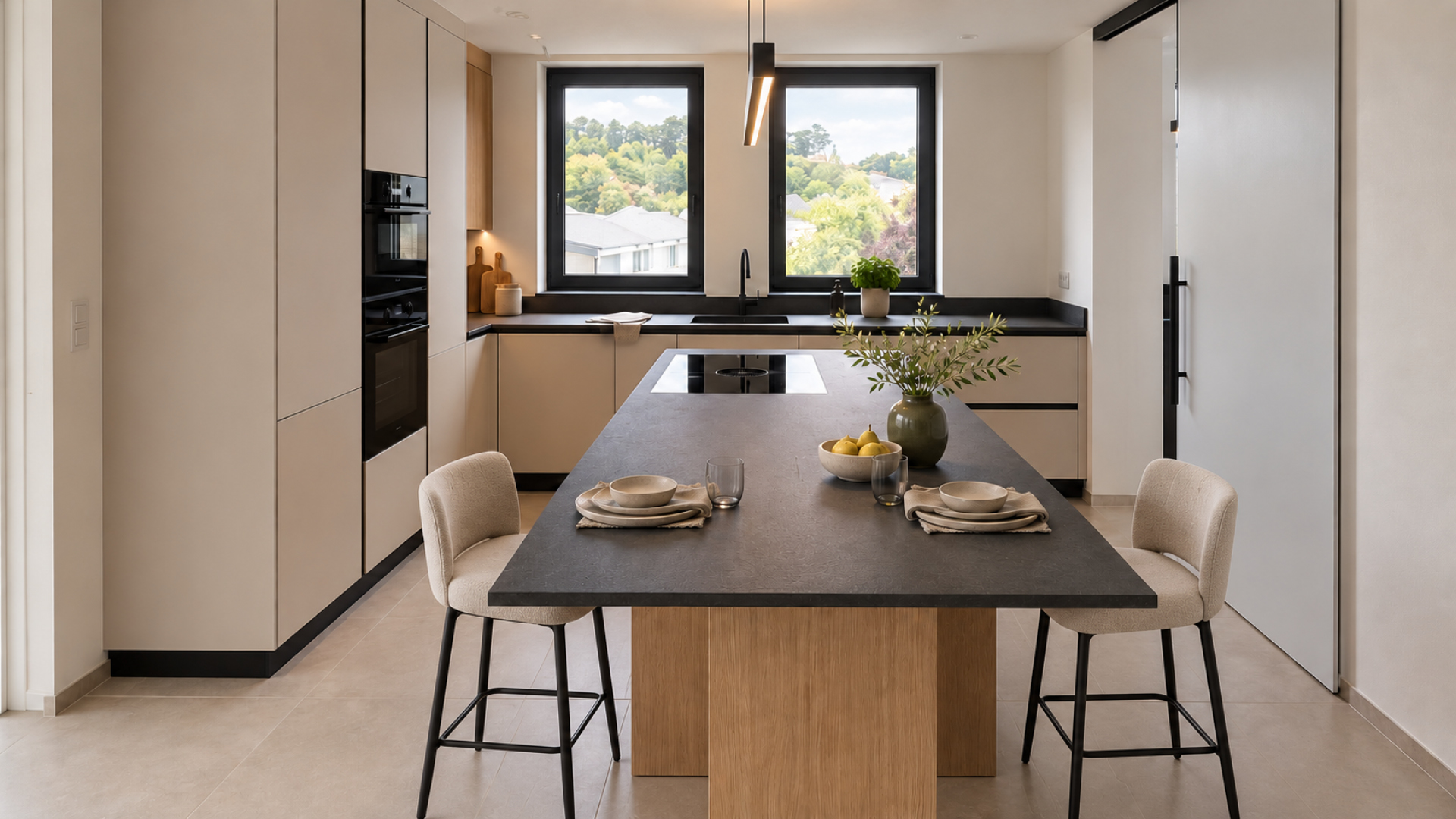
A Modern Wood and Anthracite Kitchen
-
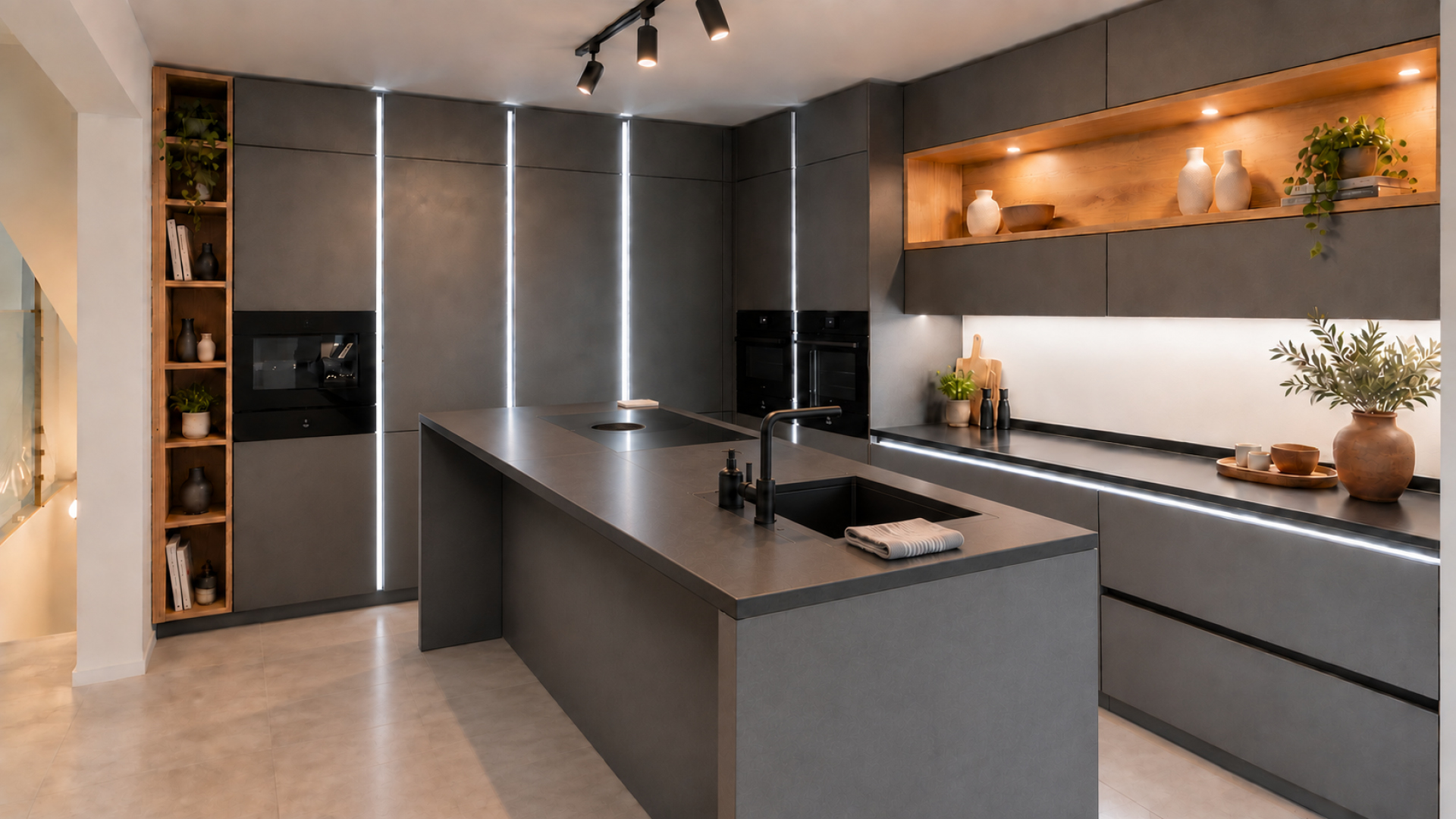
A Kitchen with a Central Island Full of Character
-
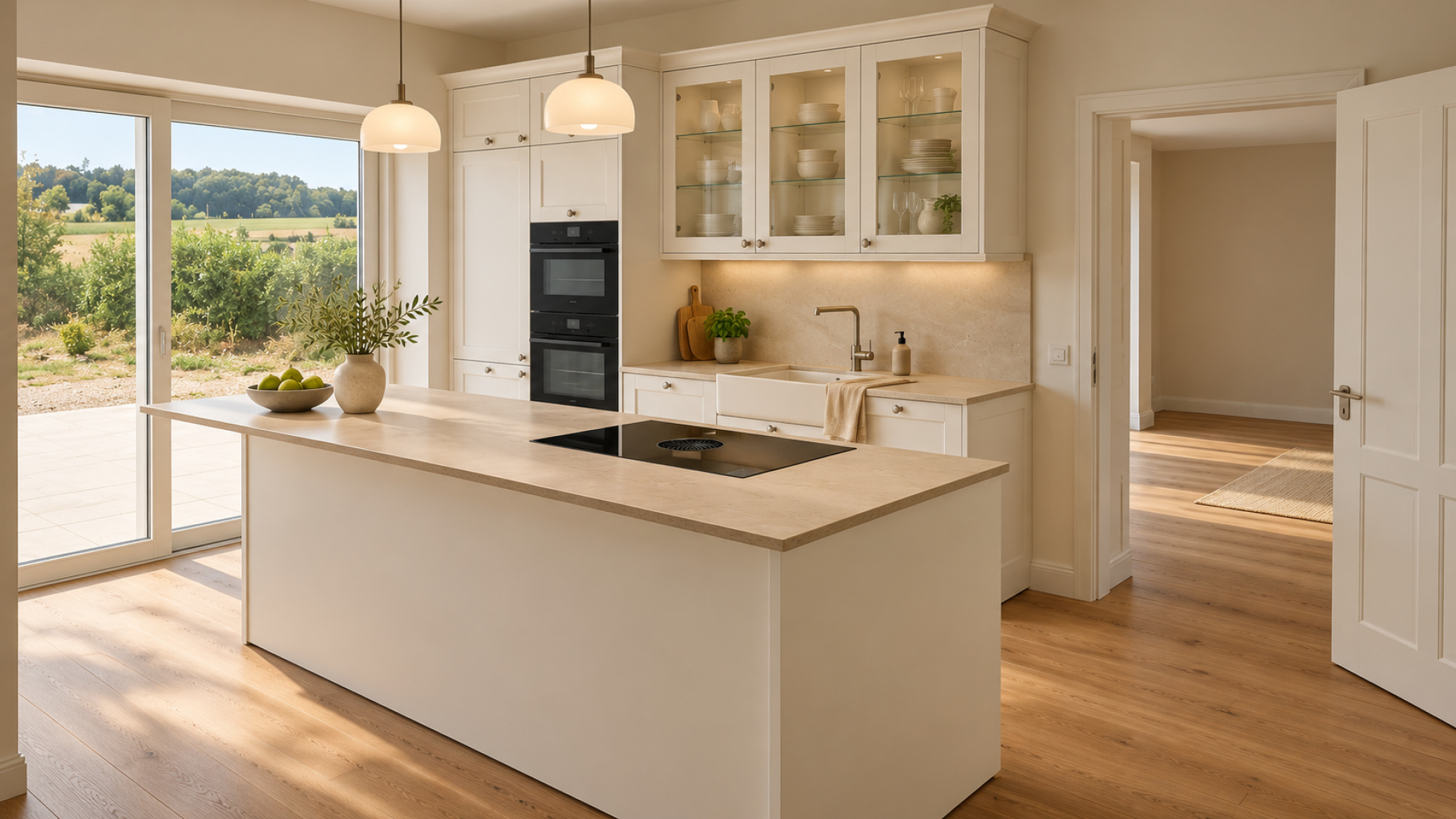
An Open Kitchen with Timeless Charm
-
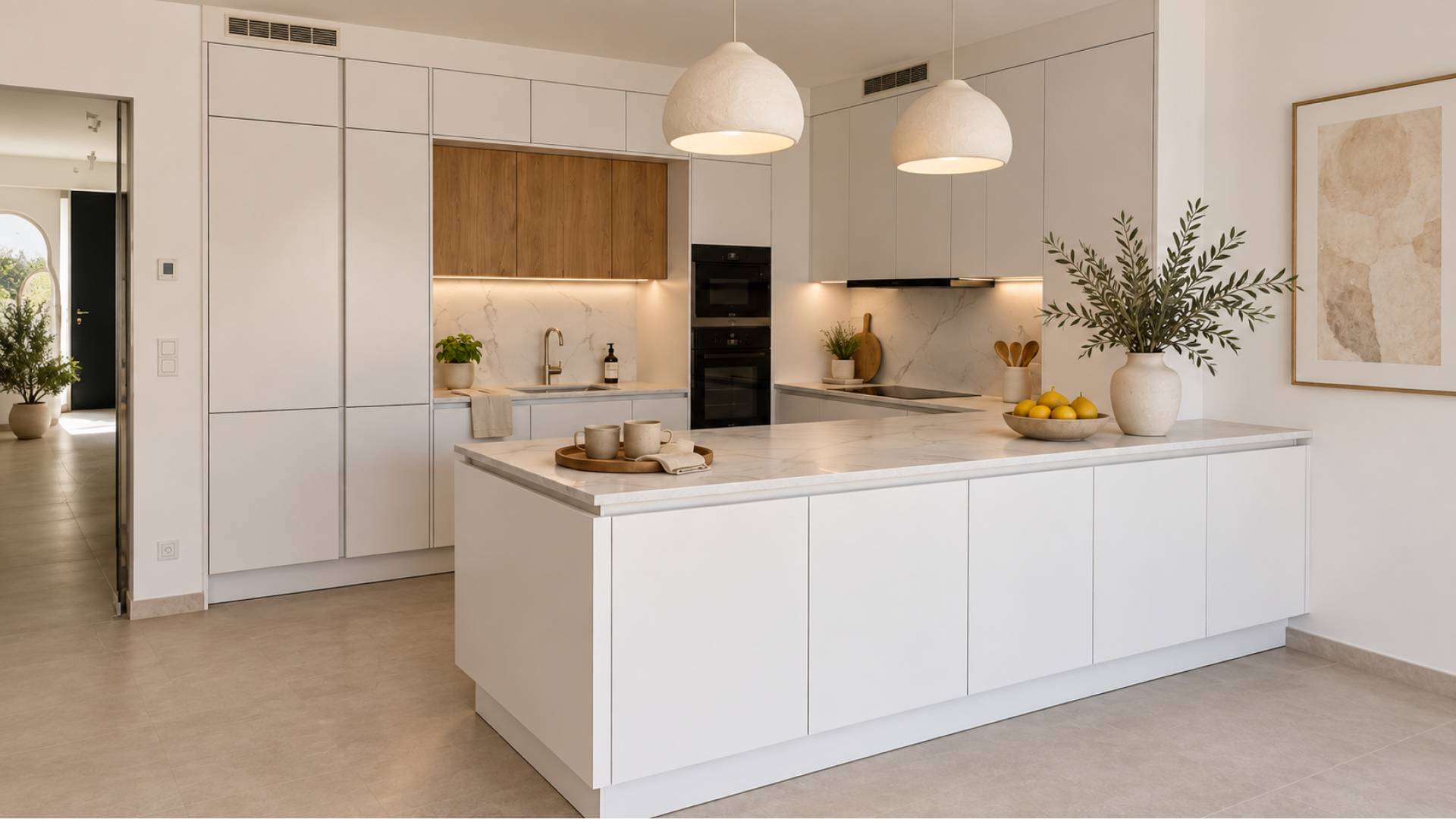
A Contemporary Kitchen Combining Softness and Elegance
-

A Charming Kitchen with Smeg
-

The Art of Living, by Fatboy
-

Brunch in the Sun
-

The Art of Chic Barbecuing
-

The art of the chic picnic
-

Natural Elegance Between the Living Room and Dining Room
-

Natural Elegance in the Garden
-

Natural & Elegant Terrace